Archive for October 3rd, 2026

Righteous T Shirt Style Guide Iconic Design Notes

Oct 3rd, 2026 Posted in Uncategorized | no comment »

Basic Hoodies compared to Righteous’s Hoodie: Is the Upgrade Worth It

Every customer reaches this decision point sooner or later: stick with the bargain hoodie that fills the shelves of every mall chain, or invest a bit extra on a piece from a brand that regards the hoodie as a carefully-made item rather than an throwaway detail. We Are Righteous established its reputation on that second option, and the question worth answering honestly is if the upgrade genuinely alters the experience about how the hoodie feels on the body, holds up, and endures. This isn’t a sales pitch. It’s a breakdown of what distinguishes a basic hoodie from a hoodie made by Righteous, using the elements that actually matter once the garment is off the hanger and in use.

Price alone doesn’t tell the whole story here. What matters is construction choices, fabric weight, fit philosophy, and the kind of longevity that determines whether a hoodie makes it through two winters or two washes. Righteous as a brand has earned a name around the idea that streetwear-adjacent basics warrant the same attention to detail as higher-end categories, and that approach plays out in concrete, verifiable details.

Unpacking What “Basic” Signals About a Hoodie

Standard hoodies are built for one thing: cutting down production cost while hitting a price point customers can commit to instantly. That usually means thinner rightious tee material blends, often in the 240-280 GSM range, loose panel construction with minimal reinforcement, and printing methods that peel or dull within a couple dozen wash cycles. Brands manufacturing this way are maximizing shelf turnover, not garment lifespan.

This isn’t to say basic hoodies are worthless. For a secondary layer worn twice a month, a $25-$35 hoodie gets the job done. The problem becomes apparent with regular use. A hoodie in frequent rotation, worn two or three times a week, racks up the wash cycle 100+ times a year. Entry-level build quality can’t withstand that kind of mileage, and the fabric shows it: pilling across the sleeves, stretched-out cuffs, a hood that stops holding its shape.

The stitching tells the same story. Standard hoodies typically use a single-needle construction on seams that endure the heaviest pressure — underarms, shoulder yokes, the pouch pocket. That construction is fine until the seam is pulled repeatedly, at which point it’s the first place it gives out. It’s less a flaw than a trade-off; it’s a manufacturing choice made to stay within budget constraints, and shoppers should be aware of the compromise beforehand rather than finding out only after months of wear.

How the Righteous Hoodie Breaks From the Pattern

Tackling the same garment category is what the Righteous hoodie does, but with a distinct set of guiding aims. Increased material weight is the first noticeable difference — a thicker cotton-poly blend that retains form instead of collapsing after a wash cycle. That weight matters more than most shoppers expect; it’s what separates a hoodie that holds a proper hang and one that just sags.

Construction-wise, Righteous apparel uses strengthened double-stitching at high-strain areas, which is a small detail with a big return over how long it lasts. Fortified seam-work don’t just delay failure, they alter the way the hoodie fits over time, because the panels keep their designed form instead of deforming lopsidedly at failure-prone areas.

The print and embroidery work mirrors the same reasoning. Instead of vinyl heat-transfer printing that basic hoodies lean on to cut costs, the Righteous label pieces tend to use direct-to-garment or embroidered detailing that withstands repeated washing without peeling. Such a detail is what that’s hidden on day one and glaring by month six, which is right around when most basic hoodies start looking tired.

The Thinking Behind the Fit: Oversized Doesn’t Mean Superior by Default

The streetwear world has normalized the loose, block-cut hoodie look, and both basic and premium brands pursue that same aesthetic. What separates them is how it’s done. A basic hoodie reaches “oversized” by simply cutting more fabric without recalibrating the cut, which tends to produce a shapeless block that doesn’t actually flatter anyone. A Righteous hoodie fit is deliberately calculated — the shoulder drop, the torso length, the cuff proportions are all calculated so the boxy shape still retains shape instead of turning into a shapeless bag.

This is a spot where a quick fitting-room test tells the whole story. Entry-level hoodies with sloppy cuts tend to bunch at the waist and pull awkwardly at the shoulder seam when arms are raised. A well-engineered oversized fit flows with your movement instead of fighting it, which is a subtle but real difference once you’ve worn both types side by side.

Consistency in sizing is another overlooked element. Entry-level hoodie labels regularly change proportions from batch to batch because they’re sourcing from multiple factories to cut expenses. One order of the same size can be noticeably different from a repeat order six months later. Brands with tighter production control, which is part of what a review of we are righteous tends to point out, keep sizing steadier across production cycles, which matters for anyone building a wardrobe around a defined shape.

What You Actually Pay Per Wear: The Number That Actually Matters

In weighing these two categories, retail price alone proves to be an unreliable measure. The per-wear cost is the number that reflects actual worth, and it changes the comparison in a major way. A $30 basic hoodie that survives 40 wears before it’s visibly worn out costs roughly $0.75 per wear. A sturdier, better-constructed hoodie at a higher price point that lasts for 150+ wears reduces the cost per wear considerably, even if the sticker figure seems higher.

This math only works if the garment genuinely follows through on lasting well, which is why fabric weight and stitching quality aren’t just aesthetic details — they’re the mechanism that makes the higher price defensible. A hoodie that pills and stretches within a season resets the cost-per-wear calculation in the basic brand’s favor, so durability isn’t a nice-to-have, it’s the entire value proposition.

Buyers taking a real, honest look back at what they bought tend to report the same pattern: it still holds its form after a year or more, the print or embroidery holds up without degrading, and the color remains closer to true black or true heather instead of washing out into a dull gray. Those are the specific, checkable claims that separate marketing language from real performance.

Comparing the Two, Head to Head

Characteristic Basic Hoodie Righteous Hoodie
Material Weight 240-280 GSM, lighter blend More substantial cotton-poly blend, more solid build
Stitch Quality Single-needle seams Double-reinforced seams at pressure points
Graphic Durability Heat-transfer vinyl, likely to crack over time DTG or embroidered detailing, resistant to washing wear
Fit Consistency Varies by production batch Consistent silhouette across runs
Estimated Wears Before Wear-Out approximately 40-60 wears 150 wears or more
Cost Per Wear (approximate) Higher over time despite low upfront cost Lower over time despite a steeper initial price

Situations That Favor the Basic Hoodie

To be fair, it must be said upgrading isn’t always needed. If a hoodie is going to be used for a one-off event where it barely shows, paying a premium isn’t worthwhile. Basic hoodies serve a real purpose for infrequent or utility wear, and it makes little sense to spend extra for durability that will never be tested.

The calculation changes the moment a hoodie starts getting worn every week, an item that reflects personal style rather than only providing warmth. At that point, the basic hoodie’s shortcuts — thinner fabric, weaker seams, print that flakes — become liabilities instead of neutral trade-offs. This is precisely the scenario Righteous apparel was built for: a hoodie built to be worn often and to still look deliberate and well-kept after a year.

Brand identity also feeds into this decision, and it’s worth noting. Our values-driven brand positioning leans into a specific look and message, and this matters to shoppers who’d rather their clothing say something than serve as blank fabric. This is a subjective factor, but a real one nonetheless — plenty of shoppers weigh not only craftsmanship but what the piece communicates when worn.

Where This Leaves Us

For anyone who intend to wear the piece regularly, wash it repeatedly, and expect it to hold shape and color across a year-plus of use, upgrading from a basic hoodie to a Righteous-brand hoodie is worth it. The thicker fabric, reinforced seams, and hard-wearing print methods aren’t just marketing polish — they’re the specific construction-based reasons the garment endures three to four times longer than a basic alternative, which brings cost per wear down even though the sticker price is higher upfront.

For infrequent or everyday practical wear, a basic hoodie remains a solid enough choice, and there’s no need to pay extra for durability that will go untested. But for anyone building a wardrobe staple, comparing Righteous clothing against the basic hoodie aisle hinges on a simple question: how many times do you actually plan to wear this? The more wears you rack up, the faster the upgrade earns back its cost.
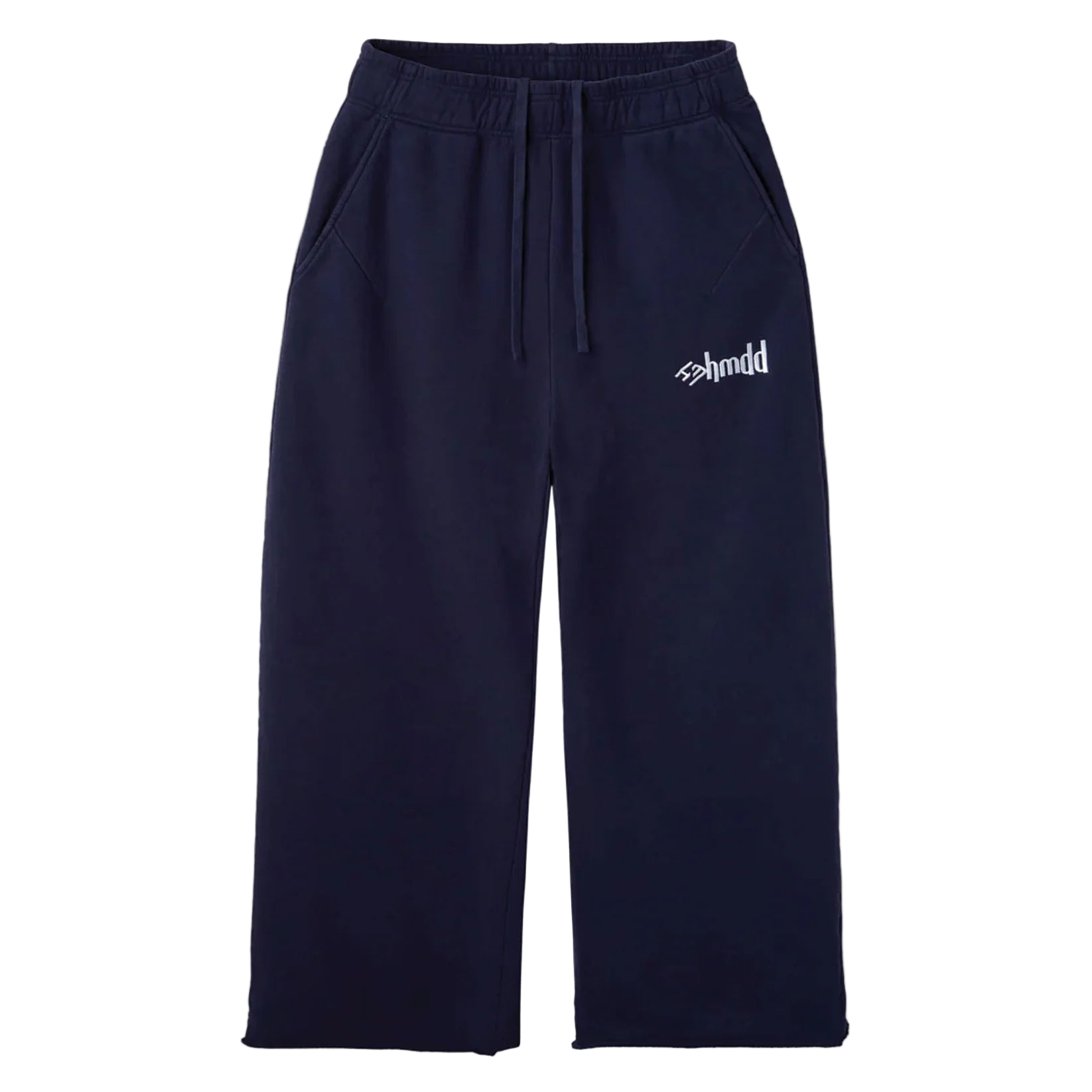
Everything About HMDD Tee Design and Details

Oct 3rd, 2026 Posted in Uncategorized | no comment »

HMDD Deep Dive: Is the Excitement Over This Brand Deserved?

Streetwear forums and comment sections have been buzzing with one name lately: HMDD. Short for Happy Memories Don’t Die, the brand has been quietly building a cult following among people who want their clothes to carry a message without shouting it. This review breaks down what HMDD actually offers, how it fits into the crowded streetwear market, and whether the attention it’s getting in 2026 is deserved or just algorithm-driven noise. We’ll look at construction, pricing logic, sizing behavior, and how it stacks up against comparable labels. No brand deserves blind praise, so we’ll flag the rough edges too.

HMDD: What It Means and Its Origins?

The HMDD label, occasionally found under the term HMDDLA given its Los Angeles roots, is marketed as more than a simple fashion line. Its name Happy Memories Don’t Die is meant to be read literally: the company develops its clothing ranges around nostalgic longing, personal sorrow, and the belief that grief and joy can exist together within one garment. Since that sentimental approach is uncommon in a category dominated by logo-first hype labels, HMDD clothing has managed to build a returning customer base rather than people who purchase once and vanish.

Instead of bold showpieces that only work in one outfit, the label’s range is built around everyday staples. The hoodies, tees, sweatpants, and shorts form the majority of the lineup, with artwork that leans on typography and subtle symbolic details instead of loud logos. Based on what you’re shopping for, such minimalism reads as either a plus or a drawback. If you’re after a shirt that shouts from across the room, HMDD isn’t the answer. If you want something that rewards a second look, it fits the brief.

Craftsmanship & Quality: Will It Last?

Regardless of how great a label’s narrative might be, it counts for little if the seams falls apart graphic tees after three washes. HMDD’s heftier pieces feature thick cotton fleece in the 350 to 400 GSM range for its hoodies and sweatpants line, aligning them with mid-to-premium streetwear instead of throwaway fast-fashion labels. Heavier fleece means less pilling over time along with a hang that doesn’t feel flimsy on the rack or on the body.

At stress points such as the crotch and pocket bags, the shorts and sweatpants receive double stitching, exactly where budget-focused labels tend to cut corners. Reviewers who’ve put the sweatpants through repeated wear cycles note minimal shrinkage after cold washes, though high-heat tumble drying is where most complaints originate. HMDD isn’t alone in this, but it’s important to flag because dense cotton-fleece fabrics are more sensitive to heat than synthetic-heavy alternatives.

Based on the design chosen, graphic tees make use of a blend of screen-printing and puff-printing approaches for their printing.
Puff-print designs have a longer lifespan with proper care, while some of the flatter screen prints start to crack after a year of regular wear.
Even so, it isn’t a dealbreaker, the garments’ upscale feel isn’t evenly spread across the full lineup as a result.

HMDD’s Sweatpants and Shorts Pairing: The Core of the Lineup

If there’s one category where HMDD earns its reputation, it’s loungewear. The HMDD sweatpants are cut with a relaxed taper, roomy through the thigh and narrowing at the ankle, which has become the default silhouette streetwear shoppers expect in 2026. Waistbands use a wide elastic with a drawstring, and most pairs include side pockets deep enough to hold a phone without it bouncing out during movement.

HMDD shorts follow a similar formula but come in two dominant lengths: a shorter 7-inch inseam for warmer months and a longer 9-inch option that functions closer to a cropped pant. Both use the same fleece or French terry base as the sweatpants line, so buyers who like one will likely be happy with the other. Fit consistency between the two categories is a genuine advantage — sizing up or down doesn’t feel like a gamble once you’ve tried one piece from the brand.

  • Sweats: loose fit, slimmed-down hem, adjustable cord waistband, deep pockets along the sides
  • Shorts: cut in 7-inch and 9-inch leg lengths, matching fleece weight to its jogger counterpart
  • Sizing holds steady across each category for the majority of builds, and includes modest built-in allowance at the hips and thighs.
  • With the seasons, colorways cycle—neutral hues come back replenished more frequently than limited drops.

Fit Guide: What to Expect Before Placing Your Order

Streetwear brands frequently draw sizing complaints, because “relaxed fit” signifies different things depending on who’s cutting the pattern. HMDD’s sizing guides lean somewhat oversized compared to typical U.S. sizing norms, which means a lot of buyers size down if they want a more tailored appearance rather than the brand’s usual roomy shape. As a deliberate styling choice, hoodie shoulder seams sit lower on the arm—a detail fitting for the streetwear look but which can surprise first-time buyers expecting a conventional cut.

Since the elastic waistband takes up a portion of the uncertainty, joggers and shorts tend to be more accommodating. Even so, customers taller than six feet have flagged the inseam coming up a bit short on the sweatpants, so reviewing the precise garment dimensions rather than relying on the label by itself is the more sensible approach. Checking HMDD’s garment-flat dimensions, typically provided on its product pages, with an existing pair you own is the surest method to avoid a return.

Pricing: Is It a Smart Investment?

HMDD falls within the middle-market streetwear pricing segment. Tees generally land between $35 and $45, hooded pieces run $70 to $95, and bottoms sit between $55 and $80 according to how heavy the material is and how intricate the design gets. It’s not an inexpensive price point, nor is it premium-tier — it’s built to go up against brands that have built equally loyal followings through storytelling and limited releases rather than celebrity endorsements or massive ad budgets.

Compared to fast fashion, you’re paying roughly double, but the trade-off includes construction and material heft that fast-fashion labels simply can’t match, regardless of cost. Next to buzz-driven luxury streetwear, HMDD remains much more attainable while still providing well-made, deliberate pieces. Whether those numbers add up for you comes down to how much you prioritize emotional storytelling over sheer function.

Measuring HMDD Against Similar Streetwear Competitors

Data tells you more than adjectives ever could when placing a brand. Below is how HMDD compares to two comparable mid-tier streetwear labels based on publicly listed pricing, fabric weight claims, and return policy windows as of early 2026.

Feature HMDD Comparable Brand A Comparable Brand B
Hoodie cost range $70–$95 $65–$90 $80–$110
Sweatpants fabric weight Weight of 350–400 GSM Weight of 320 GSM 380 GSM
Available inseam lengths for shorts 9″ and 7″ Just 6″ 7″ and 10″
Window for returns A 30-day period Within 14 days A 30-day period
Sizing consistency Sized a bit generously Accurate sizing Sized generously

The conclusion to draw here is that HMDD isn’t the cheapest or the most premium option on paper, but it holds a competitive middle ground with a return policy that outlasts at least one competing brand and material weights that surpass the field’s lighter offerings. Having an additional inseam length for shorts also adds versatility than brands limited to just one option.

Community and Brand Reputation

A lot of the hype around HMDD comes from how the brand communicates with its audience rather than merely marketing at them. Content built around personal stories, memorial tributes, and fan-shared recollections have fostered a following that feels considerably more committed than a standard customer base. This isn’t universal — certain buyers see the sentimental branding as overdone or believe it clashes with products that remain, fundamentally, sweatpants and hoodies. This wariness holds merit and should be acknowledged rather than brushed aside.

One thing that’s hard to ignore is the pattern of repeat buying reflected in customer reviews. Shoppers starting with just one hoodie regularly come back to grab the matching sweatpants or a different colorway, which indicates a level of satisfaction that outlasts a first, impulsive buy. This sort of customer loyalty is far tougher to manufacture than a fleeting viral moment.

Closing Thoughts: Is the Buzz Warranted?

HMDD earns a good portion of its reputation through solid fabric choices, consistent sizing logic across its core categories, and a pricing structure that doesn’t gouge customers for a story. It’s not flawless — print durability varies, tall buyers should double-check inseam lengths, and the emotional branding won’t resonate with everyone. But as a best HMDD clothing pick for 2026, the sweatpants and shorts lines represent the strongest value in the catalog, backed by real construction choices rather than marketing alone. If you’re drawn to the Happy Memories Don’t Die philosophy and want streetwear that holds up physically as well as emotionally, the hype is largely earned rather than manufactured.

Get Tory Burch Crossbody Shipped Tory Burch Slides

Oct 3rd, 2026 Posted in Uncategorized | no comment »

Tory Burch in 2026: Safe Buying, Channel by Channel

Safety with this brand comes down in the main to where the purchase actually happens, and 2026 shuffled those channels. A big off-price name went dark on the web, its rivals grew, and the scam operators stayed as busy as ever. Each route is taken in turn below, together with its realistic offer and its risk. Treat every price and every discount depth as an observed figure from the market, gathered from US retail listings and press coverage in September 2026. No fixed price list exists, so treat the numbers as snapshots rather than as commitments. The house itself is privately held and American, founded in February 2004 and headquartered in New York.

The official line on which sellers count as authorised

The brand’s own wording is the place to start, since it is unusually specific. According to that guidance, genuine product reaches buyers only through its own shops, its own outlet stores, its own site and approved department and specialty retailers. Decisively, the guidance also states that the label does not operate an online outlet website, which closes most disputes on its own. In one move, that sentence disqualifies a vast number of sites. The guidance also lists things that are not evidence of legitimacy, including a web address that carries the brand name, a place in search results, polished photography and a claim of official status. A low price is torry burch shoes specifically excluded as evidence either, though most shoppers read it the other way round.

Channel one: brand stores and the brand’s own site

This is the baseline that every other channel is compared to. Full size runs, current-season product and the official returns policy are standard, and there is no authentication question at all. The trade-off is price, because discounts appear only in announced promotional periods. The figure repeated in brand boilerplate is a network of around 400 stores worldwide, held steady for years and therefore dated. Wider distribution takes in more than 3,000 department-store and specialty doors. Gifts and pieces meant to last are the cases where the premium buys worthwhile certainty.

Channel two: bricks-and-mortar outlet stores

The outlet stores you can walk into do exist, and they are the piece of the retail estate that causes the most confusion. Premium outlet centres host the great majority of them, among them Woodbury Common in New York, Las Vegas North, Tulalip in Washington, Cypress in Texas, Halton Hills in Ontario, Cabazon, Carlsbad, Phoenix and Silver Sands in Florida. Stock is a mix of carried-over pieces and product built for the outlet channel, which is standard across the sector. Search for a tory burch outlet online and plenty of results will come back, yet none of them is the brand, since the channel exists only as physical stores. Before travelling, run the location past the official store locator. Most of the risk attached to this keyword falls away once that becomes routine.

Channel three: authorised department and specialty stores

There is a wide third-party network behind the brand, and it is dependable in the main. Department-store names include Bloomingdale’s, Saks Fifth Avenue and Nordstrom, while specialty sites including Shopbop, Zappos and Farfetch have stocked it too. Reporting placed the Reva relaunch exclusively with SSENSE from 17 April. Warehouse clubs make the odd appearance, and Costco has stocked the Ines Slide. Should a department store you already use, Neiman Marcus for instance, not list the brand in its own directory, take the absence as information, not as an invitation to look elsewhere. Any retailer passes or fails on a single practical test, which is whether the name means something to you without this brand.

Channel four: genuine off-price retail

Off-price is where real product meets real discounts without any authentication anxiety. Nordstrom Rack stocks the label, and reporting had it opening around 23 new stores during 2026. TJ Maxx and Marshalls also carry it, and their parent group was reported to be planning roughly 146 net new stores in the same year. Because both chains buy opportunistically, stock is unpredictable and no specific style can be chased. What you can do is try items on, which makes them the best value route for a first purchase in a narrow-fitting brand. Expect broken size runs, past-season colours and no guarantee that anything will be there next week.

The Saks OFF 5TH correction

Older guides to discount shopping this brand almost all still point readers to Saks OFF 5TH online, which is no longer correct. The off-price business was abandoned entirely after Saks Global filed for bankruptcy in early 2026. Rather than being scaled back, the OFF 5TH e-commerce operation shut down completely. Only around a dozen physical locations remain, and they function as clearance outlets for full-line Saks inventory. No OFF 5TH website exists to shop any more, and anything advertising itself as one should be met with the scepticism reserved for fake outlets. Any article saying otherwise should be checked for its date.

Channel five: resale and consignment

Supply on the secondary market runs deep, since the brand sold in volume for two decades. Poshmark is the best demographic fit and takes around 20 percent on sales above $15; eBay, meanwhile, carries the highest raw volume. In-house authentication is what The RealReal adds to consignment, lowering seller margin and raising buyer confidence, a trade-off that usually pays. Mercari charges around 10 percent, while ThredUp, Vestiaire Collective and Depop all list the brand regularly. What the resale data shows is liquidity instead of appreciation, because this is accessible luxury and not a value-retaining hard-luxury asset. That is not investment advice, and resale prices are volatile, condition-dependent and platform-dependent.

Recognising a fake outlet site

Counterfeiters working this brand run a stable script, and it takes about a minute to recognise. Web addresses bolt an authority word, outlet, factory, clearance or official, onto the brand name, usually hyphenated and usually brand new. Misspelled variants of the name are used the same way, so a slightly wrong spelling in a web address is a warning in itself. The pitch is almost always a closing-down or liquidation story with discounts of 80 to 90 percent site-wide, which the real brand never runs. Genuine imagery is used, since campaign and product photography is simply lifted, which is why professional pictures prove nothing. Paid social and shopping advertisements, not organic search, deliver most victims, which is the most useful practical warning in this whole guide. Two endings are possible, silence after a plausible confirmation, or a crude counterfeit arriving from abroad, and the card details were the real target all along.

  • The same percentage off every item, and nothing ever sold out
  • Style names that are slightly off, machine-translated or muddled between seasons
  • No address anyone can check, a free-mail contact, a phone number that never answers
  • A checkout that pushes you towards wire transfer, gift cards or cryptocurrency

Timing the sales and realistic discount depth

The brand runs a recurring Semi-Annual Sale, and consumer press covered a 2026 edition with sandals reported under $100. Reported depth across coverage runs to 50 or even 70 percent off, and the top of that range should be read as promotional copy rather than a guarantee. There is also a separate Private Sale, reported as email-gated or account-gated with final-sale exclusives, although its cadence is not well documented. Fixed sale calendars circulate on coupon sites, though activity typically clusters around early summer and around year-end. Outside those windows, anyone hunting a tory burch sale or cheap tory burch shoes is far more likely to hit a counterfeit page than a genuine markdown. Sale stock is also frequently final sale, which matters in a brand where fit is the main reason for returns.

The channels side by side

Everything above is summarised in the table below. Discount depths are observed or reported figures rather than guaranteed offers, and they move constantly. The authentication risk column rates the practical chance of a counterfeit arriving through that route. Note that the two cheapest routes are also the two least predictable in stock terms. A single row carries any real risk, and it is the only entry that is not a real retail channel. Where a route is missing from this list, proof is the seller’s job, not yours.

Route What it gives you Typical discount Risk of a fake
The brand’s own stores and website This season’s range, full size runs Announced promotions only Nil
Physical outlet stores Past-season pieces plus outlet-made product Consistent all year Zero
Authorised department and specialty retailers Current-season stock, curated selection Seasonal markdowns Zero
Nordstrom Rack, TJ Maxx Unpredictable overstock Deep but random None
Saks OFF 5TH About a dozen stores, nothing more Clearance No website to shop
Vetted consignment Authenticated pre-owned Cheaper than retail Low
Open peer-to-peer marketplaces Unvetted secondhand Lowest prices Medium to high
Any site that calls itself an online outlet Nothing genuine 80 to 90 percent as advertised Guaranteed

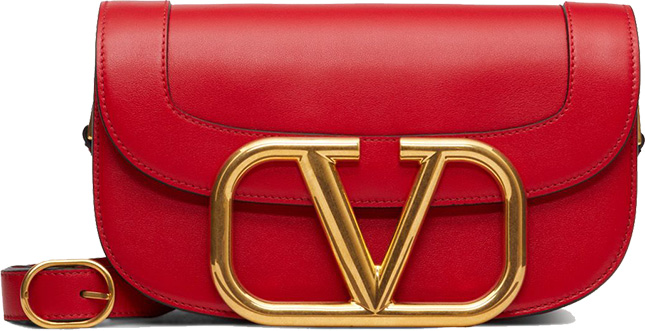
Valentino Signature Bags Wardrobe Staple Bag

Oct 3rd, 2026 Posted in Uncategorized | no comment »

Why That Second Word on Your Valentino Bag Is Garavani

Look inside a Valentino bag and the tag gives you two words where one seemed likely: VALENTINO and GARAVANI, in capitals, above MADE IN ITALY. That second word is usually read as a flourish, a founder’s signature added for prestige, or a sign of some particular sub-line. It is none of those. A contract signed in 1979 requires GARAVANI to be there, which is also why the word appears throughout the advertising for the house’s leather goods. Understanding the reason turns a piece of trivia into the single most useful check a buyer can make. What follows explains where the word comes from, what it guarantees and what it does not.

The short answer

Because another company holds overlapping rights to the word Valentino on handbags in the United States, the Roman couture house agreed decades ago to add its founder’s surname and stay distinguishable. That other company is Mario Valentino S.p.A., founded in Naples in 1952, a leather goods and footwear business with no connection to the couture house founded in Rome in 1960. Mario Valentino states it has held the American trademark Valentino for handbags and leather goods since 26 April 1971, and that senior-rights position is corroborated in legal reporting. In 1979 a coexistence agreement divided the marks between the two businesses; among its terms is one obliging Valentino S.p.A. to use GARAVANI alongside VALENTINO on leather goods and in the advertising for them. What sits on your bag, then, is a legal obligation carried out in stamped capitals. Everything else here is detail hanging off that one fact.

The man whose surname it is

Valentino Garavani founded the house in Rome in 1960 with Giancarlo Giammetti, opening the first atelier on Via Condotti. For close to five decades he designed under his own name, retiring from design in 2007 and showing his final couture collection in January 2008. Having sold the company in 1998, he no longer owned the business carrying his name by the time valentino small crossbody bag he stepped back. He died on 19 January 2026, aged 93. None of the bags in the current collection were designed by him, and nor was anything made in the past two decades. The tag’s surname records the founder of the house and tells you nothing about who works there today.

The 1979 agreement and the case that put it to the test

The two companies settled their overlap privately rather than in court, and the coexistence agreement they signed in 1979 remains the governing document. It cuts in both directions, giving each business a defined set of permissions and a defined set of limits. Decades later the arrangement was tested in an American court: Valentino S.p.A. filed suit against Mario Valentino in July 2019 in the Central District of California, docketed 2:19-cv-6306, alleging false advertising, unfair competition and breach of the coexistence agreement. Mario Valentino’s counterclaims were dismissed in April 2021, and the case settled and was dismissed without prejudice on 14 June 2024, with terms never disclosed. Because it ended without prejudice either side may bring the matter back, and reporting indicates further proceedings, including arbitrations, remained live in Italy. No wrongdoing was established against either company and none is alleged here, because this is a trademark boundary between two legitimate businesses.

What the Naples company may do

The agreement permits Mario Valentino to trade under several forms of the name. On the exterior of its products it may use Mario Valentino, M. Valentino, Valentino, MV or V. The condition attached is that the full name Mario Valentino must appear inside the item and on its packaging, so the maker stays identifiable to anyone who opens the bag. The company may not combine V and Valentino together on leather goods. The products are genuine goods from a genuine Italian house, sitting at a different price point and moving through different channels than the couture house uses. Claims the company makes about inventing the stiletto heel and the women’s moccasin are self-description rather than independently verified history, and are best read that way.

What the Roman house must do

Running the other way, the obligation is narrower and far more visible. For leather goods and their advertising, Valentino S.p.A. uses the mark VALENTINO GARAVANI rather than VALENTINO alone. That is why the accessories line is named the way it is, why the interior tag carries both words, and why the house’s own product pages for bags use the longer form consistently. The requirement does not reach every category identically, and that is why ready-to-wear can be presented as Valentino or Maison Valentino. In practical terms for a buyer, the effect is simple: the longer name on a bag is the expected, compliant form, and its absence on something sold as couture-house merchandise deserves a second look. Boring, contractual and enormously useful is what the rule is.

One company, two names

People commonly misread Valentino Garavani as a sub-brand, a diffusion line or a lower tier within the same company. It is not. Valentino Garavani is the naming convention for accessories, Valentino and Maison Valentino the ones for ready-to-wear, and all of it comes from one company applying one set of standards. A Rockstud crossbody bag and a couture gown are equally the work of the same house, and only the wording on the label differs, for the contractual reason set out above. Creative direction has passed from Pierpaolo Piccioli to Alessandro Michele, who has led the house since 2024 according to the most recent confirmable reporting. On the ownership side, Mayhoola for Investments holds seventy per cent and Kering thirty per cent, the Kering stake acquired in July 2023 with a stated intention to take full ownership by 2028. The accessories carrying the longer name were observed in 2026 at market prices from about $650 for a VLogo Signature clutch to $7,900 for an embroidered Panthea, all made in Italy, and Rebag’s data puts average resale retention for the house near 41 per cent, with hero styles between 50 and 58 per cent.

What the word guarantees and what it does not

A tag reading GARAVANI identifies which company made the bag. It does not by itself prove the bag is authentic, because counterfeiters copy tags as readily as they copy studs. The checks that count are physical ones: capitals in a consistent font weight, evenly pressed stamping without smudging, a tag sewn down on all four sides, engraved rather than printed hardware logos, square zip pulls with rounded edges and deep engraving, uniform pyramid studs at even spacing, and stitching of consistent density. Usually a serial number sits on a tag inside an interior pocket, often black, cream or light brown; not every bag has one, older pieces frequently do not, and a missing serial proves nothing on its own. No date-code system exists on these bags at all, and any guide that claims to decode a production date from the digits is inventing it. The authenticity card is reported to carry the model specification, the serial and Made in Italy, with the serial matching the interior tag, though the description comes from resale and authentication practice rather than an official brand statement, and pre-owned bags frequently arrive without one.

What is in front of you What it tells you
Both VALENTINO and GARAVANI on the interior tag Made by the Roman couture house, exactly as its 1979 obligation requires
Valentino on the exterior, Mario Valentino inside or on the packaging A real bag from the separate Naples company
The interior tag carries no serial number Seen on older pieces, and not proof of a fake on its own
A supposed date code There is no such system for these bags
A pre-owned bag arriving without an authenticity card Common: cards are often lost or never passed on

How to read a listing before you buy

The description, not the bag, is where most mistakes happen. A resale listing headed simply Valentino bag says nothing about which company made it, and sellers abbreviate constantly, sometimes without realising there is anything to abbreviate. Ask for a clear photograph of the interior tag before agreeing a price, and believe the tag rather than the title. If you are shopping new, buy from the house’s own boutiques and webstore, or from named authorised retailers such as Neiman Marcus, Bergdorf Goodman, Saks Fifth Avenue, Nordstrom, Mytheresa, Farfetch, Selfridges or Harrods, where the question never arises. If you are browsing a Valentino bag sale at an American off-price chain, expect Valentino by Mario Valentino, since that is what those chains’ own brand filters list. One word on a tag settles all of it, which is exactly why it is worth knowing how the word got there.

Francesco Ragazzi Pants Verified Seller

Oct 3rd, 2026 Posted in Uncategorized | no comment »

Palm Angels Clothing: What Causes the Brand Lead the Pack

In an market packed with street style houses competing for cultural space, Palm Angels has been able to build a place that seems authentically its own. Created in 2015 by Italian creative director and visual storyteller Francesco Ragazzi, the brand was born not from a conventional design career but from a documentary photography work capturing Los Angeles skateboarding culture. That creation story — rooted in creative observation rather than market strategy — continues to permeate every facet of the house’s identity almost ten years later. By 2026, Palm Angels produces approximate annual revenues surpassing $200 million beneath its parent company New Guards Group, which is part of the Farfetch group. The brand operates independent shops in Milan, New York, Tokyo, and London, and its pieces are carried in over 400 retail doors worldwide. But basic numbers can’t account for why Palm Angels speaks so strongly. This study reveals the specific factors that differentiate Palm Angels from its rivals and maintain its position in a space that chews through styles with remarkable speed.

The Origin Story: Photography as Brand DNA

Understanding Palm Angels starts with knowing its creator’s philosophy, which differed greatly from the typical route into luxury fashion. Francesco Ragazzi invested years documenting skaters in the Venice Beach and Hollywood parts of Los Angeles, preserving the unfiltered energy, defiant attitude, and instinctive aesthetic of a subculture functioning fully beyond the fashion world. These images formed a publication — similarly named “Palm Angels” — published by Rizzoli in 2014, which attracted the interest of the take a look fashion community and connected directly to the apparel brand the next year. This starting point is significant because the brand’s visual identity wasn’t engineered backward from consumer surveys or fashion prediction — it was witnessed from life and translated into garments. Ragazzi’s vision for framing emerges in everything from graphic design choices to fashion presentations, which frequently look like gallery shows more than conventional fashion shows. The photography-first approach accounts for why brand campaigns come across as more like magazine projects than ads. This artistic base has turned out to be surprisingly resilient, serving as a reliable touchstone even as the label grows into new categories and territories.

Aesthetic Approach: The Clash of Cultures

Street Culture Collides With Italian Luxury

The core dynamic that leaves Palm Angels aesthetically interesting is the deliberate collision between two outwardly contrasting worlds: the unpolished casualness of American skating and the careful refinement of Italian fashion manufacturing. All collection navigates these competing forces. Oversized silhouettes borrowed from the skating culture — where loose clothes serve a functional purpose — are produced in materials that would fit right in in a Milan-based atelier. Visuals invoke public art, and counterculture imagery, but they’re printed using premium printing techniques on premium bases. Construction elements like zip pullers and lace tips are made to a quality typical of labels with ten times Palm Angels’ pedigree. This isn’t mimicry; it’s authentic blending where each element improves the other. The skateboarding DNA stops the Italian craftsmanship from appearing sterile, while the Italian craftsmanship stops street elements from reading as throwaway. Not many brands balance this line successfully — most go too far in a single direction.

The Role of Graphics and Symbolism

Palm Angels has established a design language that’s instantly recognizable, and this iconographic coherence is a central element in the house’s longevity. The curved logo uses a font calling to mind classic West Coast signs while staying clearly contemporary. The bear graphic has turned into a icon going beyond the label itself, showing up in online culture, fan art, and urban culture references globally. Palm tree imagery appears in every drop, connecting each drop to the Los Angeles starting point. Flame images, wing imagery, and graffiti effects fill in a graphic library applied with impressive versatility — the same icon can surface as minimalist embroidery on a polo or a large-scale graphic dominating an whole hoodie. This iconographic system functions in the same way as fashion house logos: delivering immediate recognition while permitting unlimited creative variation within a consistent framework.

Production Quality and Quality Standards

Where most urban labels outsource production to minimize expenses, Palm Angels has committed to Italian manufacturing as a key strategy. The majority of the collection is produced in Italy’s traditional textile regions, where centuries of craftsmanship guarantee quality levels that volume manufacturing factories in other countries can’t replicate. Cotton is procured from long-staple suppliers in Turkey and Egypt. Technical fabrics come from Italian mills focused on functional materials. Denim uses selvedge denim from Japanese manufacturers, with bespoke treatments made exclusively. Manufacturing standards encompasses seam quality, seam alignment, print durability, and metal component performance. This dedication has real consequences: Palm Angels items last under heavy use and repeated washing in ways that counterfeits completely fail to. The elevated cost — $250 for a basic tee, $350+ for track pants, $500+ for outerwear — represents these manufacturing realities, and the growing re-sell market shows consumers recognize the quality differential.

Cultural Impact and Celebrity Support

Palm Angels’ cultural footprint extends well beyond fashion, amplifying visibility in ways traditional advertising is unable to achieve. Artists including Travis Scott, A$AP Rocky, The Weeknd, and Bad Bunny have been spotted in Palm Angels in settings from stages to airports. Professional athletes across the NBA, Premier League, and Formula 1 regularly include Palm Angels into their off-duty closets. Online creators with total audiences surpassing 500 million feature the brand in styling videos, generating direct traffic to retailers. These mentions are predominantly spontaneous — while Palm Angels participates in product seeding, the majority of celebrity sightings are real personal selections, lending authenticity that paid partnerships can’t match. By 2026, Palm Angels has reached cultural awareness where the label holds cultural value among fashion-literate buyers.

How Palm Angels Fares Versus Top Competitors

Placement within the market landscape uncovers Palm Angels’ clear niche. The table below positions the brand next to its nearest rivals across factors relevant to 2026 consumer choices.

Factor Palm Angels Off-White Amiri Rhude
Price Tier Mid-Luxury ($250–$900) Mid-Luxury ($300–$1,200) High-Luxury ($350–$2,000) Mid-Luxury ($250–$800)
Core Aesthetic Skate + Italian craft Art-meets-street Rock-and-roll luxury Vintage Americana
Manufacturing Italy Italy/Portugal Italy/USA USA/Portugal
Key Category Track suits, graphic tees Sneakers, hoodies Denim, leather Shorts, graphic tees

Palm Angels’ competitive advantage comes from its particular cultural foundation (LA skate culture), steady Italian construction, and accessible-yet-luxury price placement. Compared to Off-White, which has navigated identity difficulties after Virgil Abloh’s passing, Palm Angels delivers more consistent creative direction. Against Amiri, it provides a more reachable price point without proportional quality reductions.

Sustainability and Forward Direction

As consumer awareness of fashion’s environmental impact grows, Palm Angels has taken measured moves toward eco-friendly practices. The house’s 2025 sustainability report presented clear programs: organic and BCI-certified cotton in 60% of cotton garments by 2026, removal of non-recycled plastic from all packaging by Q3 2026, and a special range using reclaimed polyester from ocean-sourced materials. Italian production inherently carries a reduced carbon footprint than production requiring intercontinental shipping. The brand has also teamed up with The RealReal to support legitimate secondary market. Going forward, growth under New Guards Group implies new areas (eyewear, interior items, scent), stronger penetration into East Asian regions, and possibly standalone women’s collections. The foundations that render Palm Angels desirable — real cultural origins, premium production, unique design identity — are durable strengths that position the brand well irrespective of where fashion movements land.

Comprehending ESA Letters in Michigan: A Comprehensive Overview

Oct 3rd, 2026 Posted in Uncategorized | no comment »

Psychological Support Pets (ESAs) play an important function in the lives of individuals encountering mental health and wellness obstacles. They provide comfort, companionship, and a sense of security. Nonetheless, to obtain the benefits connected with ESAs, individuals in Michigan require an ESA letter. This paper is essential for real estate and Read the rest of this entry »

Don t Challenge The Lady Drama FAQ Watch Free Online

Oct 3rd, 2026 Posted in Uncategorized | no comment »

Why ReelShort Romance Begins With the Wedding

The wedding gets saved for the final chapter of most love stories. In reel short romance, it shows up in episode one, and the next few dozen episodes work out whether the couple even likes each other. The entire attraction comes from that inversion. Before most shows finish their opening credits, you get the ring, the vows and an uncomfortable wedding night in opposite corners of a huge penthouse. Unapologetically assembled from clichés, the genre is adored by fans the way you love a local diner that never changes its pie. Per Media Partners Asia, ReelShort, run by Crazy Don’t Challenge the Lady Billionaire free Maple Studio, is set to bring in about $1.05 billion in revenue in 2026, so clearly lots of people are buying the pie. When a friend says she is watching just one more reel short drama, believe the drama part and question the “one” part.

A Trope Encyclopedia: Eight Clichés We Adore

As of September 2026, ReelShort’s site search shows about 222 results when you type “married”. Yes, that is not a typo. The app also runs a Flash Marriage collection, a greatest-hits shelf for complete strangers who say “I do” before “nice to meet you”. ReelShort’s website files each series on a “movie” page, and that may be why some watchers say reel movies, reelshort movies or reel short movies. Some simply call them reelshorts or reel shorts, and everybody follows. Learning the eight tropes below lets you guess a plot from its thumbnail, and that is half the enjoyment.

Flash Marriage, Also Known as Married at First Sight

This trope’s flagship is literally called Married at First Sight. On December 17, 2023, ReelShort released it, and it runs about 90 episodes, depending on which ReelShort page you check. After being dumped by the boyfriend she put through law school, Summer weds a complete stranger. The man is Christian Norton, it turns out, a billionaire CEO who had to find a wife to satisfy his grandmother. The leads go to Autumn Noel and Lorenzo Brunetti. Anyone who searched “reelshort married at first sight” was looking for this one. Suddenly, two people who owe each other nothing are sharing a last name and a kitchen.

Contract and Green-Card Marriage

In this trope the wedding is just a transaction, and everyone pretends that is fine. Married for Green Card, Stayed for Love gives away its ending in the title, and that oddly makes it all the more tempting. In a deal that involves a bone-marrow donation for his brother, Leslie marries Simon, an heir, since her visa is about to run out. It is the most businesslike romance ever proposed, until it isn’t. My Boss Loves Me Too Much offers a variation of this scheme: a fake marriage to the heroine’s boss. The real hook is the countdown. Contracts have end dates, and every soft moment makes you wonder who will shred the paperwork first.

The Billionaire in Disguise

This genre has no one who is ever simply a mechanic. In Accelerating Love, a dumped bride marries a mechanic who is secretly a billionaire racer, which upgrades both her love life and her garage. After going viral in November 2023, The Double Life of My Billionaire Husband pulls the same move across 60 episodes. Natalie marries Sebastian instead of her step-sister to pay her mother’s medical bills, and he pretends to be a broke ex-con while sitting on a fortune. Christian Norton in Married at First Sight qualifies too. Here, the fun comes from dramatic irony. You know he could buy the whole building, the snobs sneering at him do not, and the reveal is the reward.

The Mafia Arranged Marriage

Replace the boardroom with a family business nobody discusses at dinner, and you have the mafia marriage. On November 1, 2025, ReelShort debuted Bound by Honor, which is based on Cora Reilly’s novel about an arranged mafia marriage. An industry blog says it has hundreds of millions of views, a figure that is not independently verified. A betrayed woman flash-marries a street thug who is more than he seems in the scrappier Married The Mafioso I Saved. Danger, loyalty and a man who is soft with exactly one person are what both rely on. The whole appeal is that last detail. Before either has decided to trust, an arranged marriage locks two people together.

The Age Gap

In the age-gap lane, ReelShort’s 2025 offering is How to Tame a Silver Fox. It is also called Falling for My Dad’s Best Friend, and that alternate title handles the plot summary for you. What powers the age-gap trope is disapproval. Friends frown and relatives object, while, in the classic version, the older love interest protests the loudest. In romance terms, a silver fox offers steadiness where the heroine’s life is messy, and this contrast does most of the work. Every beat will be recognizable to fans of paperback romance, and they will enjoy it anyway.

The Campus Romantic Comedy

On this list, Trevor and the Virgin is the rare title with no marriage certificate to be seen. A Crazy Maple Studio production, it is listed on IMDb as a 2021 series that followed a 2019 short film. In return for Martha, a college student, running cover for campus player Trevor, he teaches her about winning over his friend Drew. Of course, they wind up falling for each other instead. ReelShort’s episode pages run to at least episode 55, though the total count is unconfirmed. The fake-lessons device works because it gives the leads a reason to spend time together and a reason to deny what it means. It serves as a sweet palate cleanser between billionaire weddings.

Forbidden Love

The trope where the barrier is the rulebook itself is forbidden love. The 2026 series AltarBoy goes somewhere very different, even though werewolf titles such as Fated to My Forbidden Alpha play with it too. From Crazy Maple Studio, it is a 63-episode LGBTQ story featuring Declan Clifford and Cayman Cardiff. After being kicked out for being gay, Theo, 18, is sent to a Catholic church, where a young priest, Father Alexander, makes him an altar boy. What comes next is a forbidden-love story, and faith, duty and attraction drive it. Before you hit play, it is worth knowing that the series addresses religion and family rejection. As in any forbidden romance, every look matters more the louder the rules say no.

Post-Divorce Regret

Once the marriage is over, some of the most satisfying romance in the catalog begins. Miss You After Goodbye, available on both ReelShort and DramaBox, is a contract-marriage regret drama. An industry blog claims it reached number one on both apps at once, but the claim is unconfirmed. In the classic version, a husband takes his wife for granted until she walks out, and only then does he notice how quiet the house has become. He grovels next, and that grovel is dessert. There is even a ReelShort title named Never Divorce a Secret Billionaire Heiress, which sounds like the trope’s warning label. She wins back her dignity, and he has to earn his way home.

Cheat Sheet: Tropes, Titles and Hooks

Here is the encyclopedia condensed into one table. The third column is my best guess at why the formula keeps working. Each row links a trope with a title mentioned above. None of these hooks is subtle, but that is okay. No one opens a vertical drama at midnight for subtlety. Pick the flavor you are craving tonight.

Trope Sample title Why it hooks
Instant marriage Married at First Sight Strangers share a home before they share a secret
Contract or green-card marriage Married for Green Card, Stayed for Love A deal with a deadline keeps you counting down
Undercover billionaire Accelerating Love You know the truth long before the snobs do
Arranged mafia marriage Bound by Honor Danger outside, slow trust inside
Age-gap romance How to Tame a Silver Fox Everybody objects, and that makes it sweeter
College rom-com Trevor and the Virgin Fake lessons turn into real feelings
Forbidden romance AltarBoy The rules themselves become the obstacle
Post-divorce regret Miss You After Goodbye The groveling and the payback

Before You Unlock Episode Twelve

ReelShort’s blog notes the first 5 to 15 episodes of a series are usually free. One ad unlocks two premium episodes after that, the blog says, and daily check-ins earn coins. In the US App Store, a weekly VIP pass goes for about $19.99 as of September 2026, though prices vary by country, platform and promotion. Deleting the app does not cancel the pass, which renews automatically, so cancel it in your App Store or Google Play settings. ReelShort warns that misspelled or unofficial URLs are pirated copies, so skip any site or modded app promising unlimited coins. Choose a trope after that, and let the clichés do what they do best.

Choosing Marc Jacobs Iconic Bags Authentic Buyer Tips

Oct 3rd, 2026 Posted in Uncategorized | no comment »

Two silhouettes, two completely different jobs

Place The Tote Bag next to The Snapshot and half the debate is already decided. One of the two is a wide canvas rectangle built to swallow an entire day’s worth of things. Against it sits a structured camera bag about marc jacobs the size of a paperback. Because they share a label and a price band, they land in the same search results. But the brief of a marc jacobs tote bag is hauling, whereas a marc jacobs snapshot is a container for the handful of things you will not leave behind. Seven rounds follow, built on figures the brand publishes itself.

Round one: room inside and room taken up

Begin with The Canvas Medium Tote Bag, published at 13in by 6in by 11in, which is 34 by 15 by 27 centimeters. The Snapshot, for its part, is published at 7in by 2in by 4in, which is 18 by 6 by 11 centimeters. Roughly fifteen times the snapshot bag’s interior volume is what you get in the tote once you do the arithmetic. A Small near 10 by 5 by 8 inches and a Large near 17 by 6 by 13 sit on either side of it. A caveat belongs here, because the size guide puts the Medium at 10in while the product page says 11in, and its Crossbody row looks like a transcription error. Go with the product page; round one belongs to the tote.

Round two: price

As at September 2026 on marcjacobs.com in the US, The Canvas Small Tote Bag sits at about $178, the Medium about $198 and the Large about $228. Around $150 gets you The Canvas Crossbody Tote Bag. The Snapshot is listed at about $325 to $328 for its core styles and about $358 for the vintage floral version and the Snapshot E/W Shoulder Bag. The leather version turns this on its head, with the Small tote near $398, the Medium near $498 and the Large near $598. The cheapest way into the brand is canvas, while the cheapest way into its leather is The Snapshot. Since the site labels every price a sale price, read no figure as a discount, and note that prices vary by country and change without notice.

Round three: materials and construction

The canvas tote comes in cotton canvas and brings a top zip, a top handle, a removable adjustable webbing strap, one interior zip pocket and two slip pockets. The leather version is made in full-grain leather with a chunky top zip and debossed rather than printed branding. The Snapshot is made of Saffiano leather and adds a faille lining, a dual top zipper, one interior slip pocket and one exterior slip pocket. A dust bag comes with it, an item the canvas tote’s published spec does not list. Taking a phone or a transit card outside the main compartment, that exterior pocket proves its worth. Round three is close; all the same, The Snapshot comes across as the more finished leather good.

Round four: strap, drop and how you carry it

The strap is identical on both: 57 inches long, with a 27-inch drop. The difference lies in everything else about how they hang. The Medium tote adds top handles with a 5-inch drop, so it works in the hand, on the shoulder and across the body. A 9-inch handle drop is all the Canvas Large Tote Bag carries, and it lists no crossbody strap at all, the detail most buyers miss when they size up. One carry, well executed, is what The Snapshot offers: strap off, it is a pouch; strap shortened, it rides at the hip. For flexibility round four goes to the tote, and to The Snapshot for empty hands.

Round five: what actually fits

Before anything else, run the arithmetic against your own belongings. 13 inches wide and 11 high lets the Medium tote hold a folder, a bottle and a slim laptop sleeve laid flat, if your device clears 13 inches. Its 6 inches of depth allow soft items to stack instead of jam. The Snapshot’s limiting number is depth, because 2 inches means a phone, a card case, keys and a lipstick and little else. A compact umbrella will not go in, and forcing that dual top zipper over a full load is how small bags get stretched. This round is less about quality than about whether you carry a laptop or a phone.

Round six: wear over time

Canvas is something the brand is unusually candid about. Letting the canvas get wet is advised against because it can stain, as are cleaning agents on its fabrics. Its one-year warranty covers manufacturing defects but excludes stains, scratches, ordinary wear and fading from sunlight. The Medium tote’s own description calls the fabric “intended to fade and relax over time,” so fading is documented behavior rather than a fault. Leather carries its own caveat, since the brand says leather is durable but not completely resistant to scratches and scuffs. Age is coming for The Snapshot’s Saffiano as well, but it will not fade the way unprotected cotton does, so round six goes to it.

Round seven: resale demand

Here an honest comparison has to stop short. No measured figure exists for either bag, because Marc Jacobs does not appear in the value-retention rankings published by Rebag or The RealReal, and nobody should tell you they hold their value. What can be checked cuts the other way, since 57 of the 103 store-locator locations are outlets and the MARCDOWN section carried 375 products on 29 September 2026, 115 of them bags. Discounts ran roughly 25% to 51%, and past-season Snapshot variants were included, one jelly version falling from about $295 to $159. That day, current-season plain canvas and leather totes were not discounted, and that tells you where demand sits. Ownership changed this year too: WHP Global and G-III Apparel Group completed their acquisition from LVMH on 1 September 2026, with Marc Jacobs continuing as Founder and Creative Director. Call round seven a draw.

Every spec, side by side

One table below holds every published figure. Two product pages provide the specifications, the Canvas Medium Tote Bag under style M0016161 and The Snapshot under style 2S3HCR500H03. Because the interior tag carries the style number and the warranty requires proof of purchase from an authorized vendor, those codes matter. Meanwhile, outlet merchandise is final sale and sits outside the warranty. Show scepticism, not benefit of the doubt, to any listing whose material or construction does not match this spec. The prices given are September 2026 US figures, and they will move.

Spec The Canvas Medium Tote Bag The Snapshot
Measurements 13 x 6 x 11in (34 x 15 x 27cm) 7 x 2 x 4in (18 x 6 x 11cm)
Body material Cotton canvas throughout Leather, Saffiano
Interior lining Not given Faille
Fastening Top zip Twin top zipper
Pockets 1 interior zip, 2 slip 1 interior slip, 1 exterior slip
Strap, 57in, removable 27in drop (69cm) 27in drop (68cm)
Top handle drop 5in (12cm) None listed
Dust bag Not listed Provided
US price, September 2026 about $198 about $325
Style reference M0016161 2S3HCR500H03

Pick this one if…

Neither one is a lesser version of the other, and that is why “which is better” is the wrong question. Try this instead: what do you set down on the passenger seat each morning. The tote is a commuter’s bag with a designer’s name across the front; the snapshot bag is an evening-and-errands piece sturdy enough for daily use. Price alone should not decide it, since budget pushes both ways depending on material. The singular spelling in “marc jacob tote bag,” is only a search habit if that is what you typed, and the label is Marc Jacobs. Here is the split.

Pick The Tote Bag if…

You carry a laptop, a notebook or anything that has to lie flat. Because your day has more than one stop, you want a bag you can wear across the body and set down at the desk. You accept that the fabric will soften, mark and fade, and you would rather read that as character than damage. You want the lowest entry price in the range, and canvas does not bother you. You size deliberately: the Large drops the crossbody strap that the Small, Medium and Crossbody sizes include. Start with the Medium in canvas, then move up to leather once you know how you use it.

Go for The Snapshot if…

Your daily load is a phone, cards, keys and one small extra. Leather without paying leather-tote money is what you want, plus a bag that looks deliberate rather than practical. Evenings matter to you as much as working hours, and you dislike carrying anything in your hands. What you reach for at a ticket barrier wants an exterior slip pocket, and you appreciate having one. A fixed shape suits you, since a structured camera bag is the opposite of one that adapts. If this is your first marc jacobs bag, choose a core colorway, leaving the floral and suede versions for the second.